Showing posts with label Crimean crisis. Show all posts

Tuesday, August 25, 2015

Russian Court sentences Ukrainian filmmaker Oleg Sentsov to 20 years in prison

Ukrainian filmmaker Oleg Sentsov and civic activist
Oleksandr Kolchenko in the courtroom
(Image: The Moscow Times)
Russian Court in the city of Rostov-on-Don has sentenced Ukrainian filmmaker Oleg Sentsov on August 25 to 20 years in prison, accusing him in organizing and carrying out terrorist attacks against Russian officer during Russian annexation of Crimea in 2013. Oleg Sentsov’s co-defendant Oleksandr Kolchenko, prominent Ukrainian Crimea based civic activist, was also declared guilty and accused of participating in terrorist activity on the territory of Crimean Peninsula and sentenced to 10 years in prison.

The accusations of the Russian court lack evidence against the defendants, while the detainees were also tortured during the process and investigation, what was documented by their lawyers. The harsh verdict was strongly criticized by the lawyers, civil rights and human rights activists and international community.

Tuesday, December 30, 2014

Crimea: Islamist movements and danger of radicalization (Part II)

Crimean Tatars
(Image: Al-Jazeera)

One of the most numerous Islamist radical organizations operating in Crimea is Hizb ut-Tahrir al-Islami (Party of Liberation of Islam), which was originally founded in 1953 in Jerusalem, by the local Islamic judge Taki ud-Deen an-Nabahani. His ideas spread rapidly in Arabic, Middle Eastern, Central Asian and even Western European countries, and the group itself was branded as a terrorist organization and banned in many countries, including the Muslim countries as well. This group started its work in Crimea in 2003. In Ukraine though Hizb ut-Tahrir isn’t banned as its members never engaged in any criminal, violent and terrorist activities in Ukraine and operate rather as a political party with the religious background.

Tuesday, December 9, 2014

Crimea: Islamist movements and danger of radicalization (Part I)

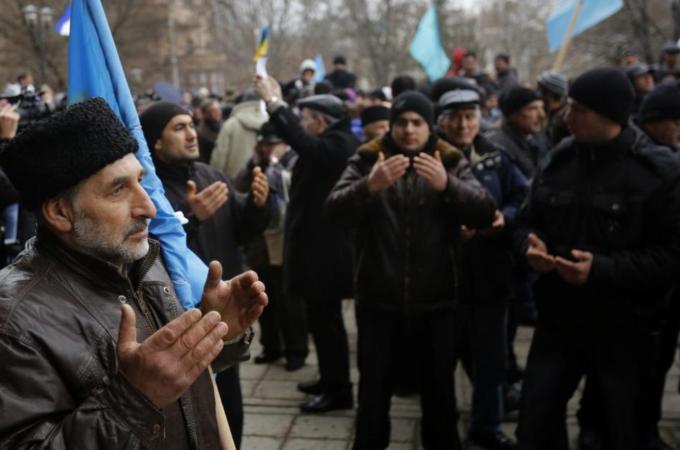
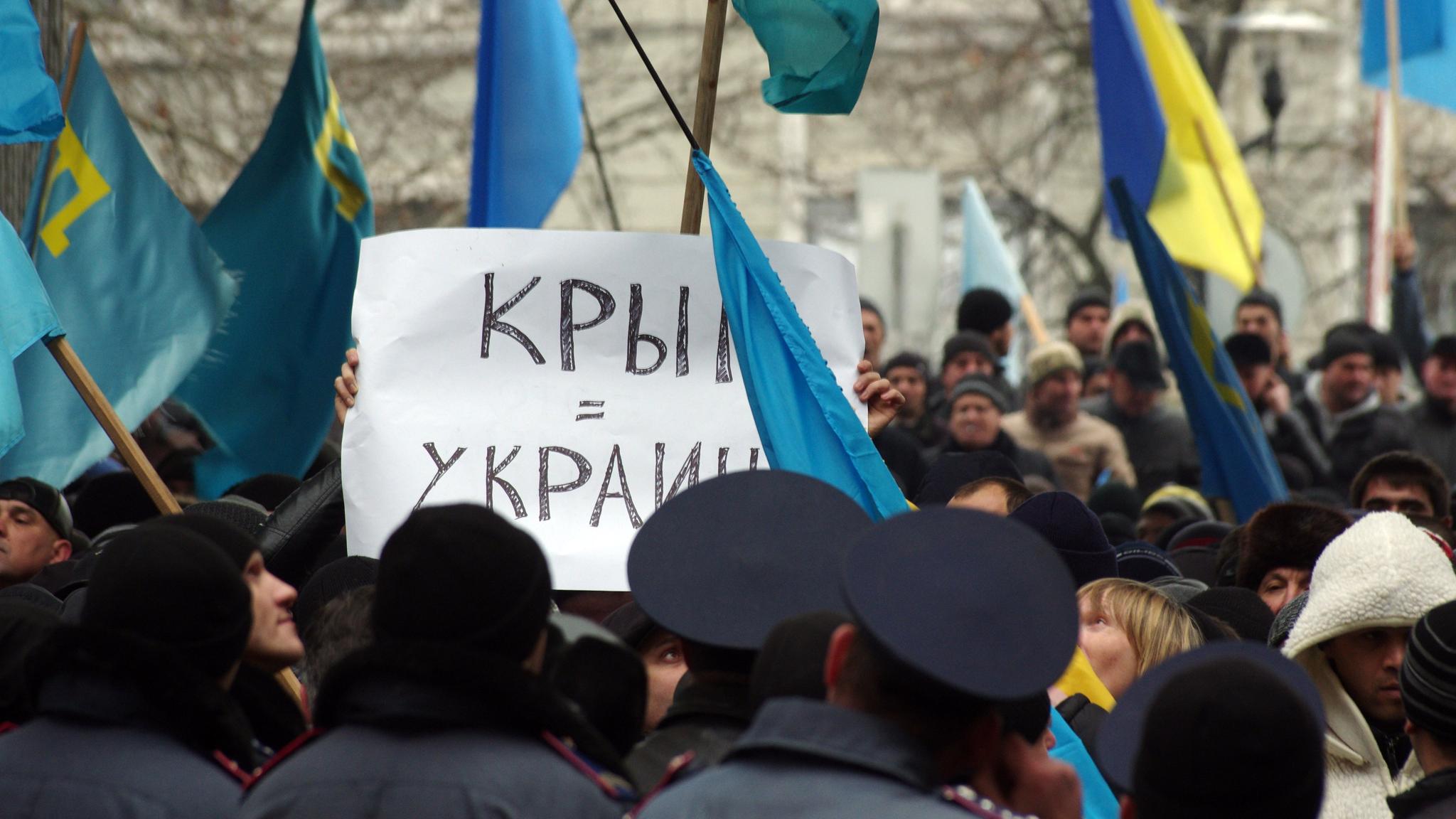
Crimean Tatars during one of the demonstrations
(Image: The World)
The issue of Crimean Tatars, who survived terrible Sürgün – mass deportation from Crimea by Joseph Stalin on 18 May 1944, and who returned back home after Ukraine gained its independence, remains still unresolved and very sensitive, as Ukrainian government paid unfortunately very little attention to the problems of Crimean Tatars, and Russian military invasion and illegal annexation of Crimea in March 2014 made situation of Crimean Tatars, who are indigenous inhabitants of the peninsula, tenser and more problematic.

Sunday, September 7, 2014

Crimea: Islamist movements and danger of radicalization

Originally written for Islamist Gate.

Crimean Tatars praying in the mosque
(Image: Muslim Village)
The issue of Crimean Tatars, who survived terrible Sürgün – mass deportation from Crimea by Joseph Stalin on 18 May 1944, and who returned back home after Ukraine gained its independence, remains still unresolved and very sensitive, as Ukrainian government paid unfortunately very little attention to the problems of Crimean Tatars, and Russian military invasion and illegal annexation of Crimea in March 2014 made situation of Crimean Tatars, who are indigenous inhabitants of the peninsula, tenser and more problematic.

Saturday, June 7, 2014

Ukrainian President Petro Poroshenko: Ukraine and Russia to start talks over the situation in Eastern Ukraine

German Chancellor Angela Merkel, Ukrainian President Petro
Poroshenko and Russian President Vladimir Putin in France
(Image: Mashable)
Amid the tensions in Eastern Ukraine and ongoing anti-terrorist operation, launched by Ukrainian military and security forces against pro-Russian and Russian terrorists and separatists in Donetsk and Luhansk regions, Ukrainian newly elected President Petro Poroshenko had a short meeting with the Russian President Vladimir Putin in France, during a ceremony of a D-Day in Normandy.

The meeting, arranged by the French President Francois Hollande and German Chancellor Angela Merkel, was short and informal, but it was actually an important step towards the possibility of de-escalation of the situation in Eastern Ukraine and resolving of the deepening crisis in Ukraine and in the relationships between the two neighboring countries, as Russia is backing the terrorists in Donetsk and Luhansk region.

Sunday, April 13, 2014

Russian military invasion started in Ukraine, claim experts, as Russian armed terrorists continue to seize administrative buildings in Eastern Ukraine

Russian forces and armed terrorists seizing police station in
Slovyansk, Donetsk region
(Image: Reuters)
Situation in Eastern Ukraine remains to be extremely tense amid the ongoing clashes between the pro-Russian forces and separatists with Ukrainian security forces and attempts of the separatists and armed militants to federalize the country. These attempts are backed by the Russian government, openly and officially demanding federalization of Ukraine, Russian language as a second official language and refusal of Ukraine to join any of the international organizations and blocks including EU and NATO. Russian officials express these demands as pre-conditions of the upcoming talks regarding the deepening crisis in Ukraine.

The wave of armed attempts to seize administrative buildings in the cities of Eastern Ukraine including Kharkiv, Donetsk and Luhansk started one week ago, as separatists and Russian terrorists have seized the buildings of the regional offices and headquarters of the police and SBU (Intelligence offices), declaring independence from Ukraine and demanding to hold regional referendums in the regions in order to join Russian Federation.

Saturday, March 22, 2014

Ukraine signs political part of Association Agreement with EU amid ongoing tensions in Crimea and Western pressure on Russia

Ukraine and EU sign Association Agreement
(Image: Arseniy Yatsenyuk Facebook Page)
Tensions in Ukrainian Crimea, occupied by Russian forces and actually annexed by Russia after the illegal “referendum” and Putin’s presidential decree regarding Crimean status as a subject of Russian Federation, remains tense, with no attempts to de-escalate situation from the Russian side and unwillingness to hold negotiations with Ukrainian authorities.

Though, despite the tensions and complicated situation, Ukraine has made an important step towards European integration. Ukrainian Prime Minister Arseniy Yatesenyuk has signed in Brussels on Friday, 21 March, political part of Association Agreement between the countries of EU and Ukraine. The document was signed by Arseniy Yatsenyuk, Head of European Commission Jose Manuel Barroso, President of European Council Herman Van Rompuy and heads of 28 countries-members of EU and high officials of EU. Economic part of the Agreement is expected to be signed in the nearest future, once as Ukraine and EU will finish cooperation and consultations regarding reforming Ukrainian industry and market, stated Herman Van Rompuy. Ukrainian Minister of Economic Development and Trade Pavlo Sheremeta has stated that economic part of the Association Agreement could be signed within the coming 6 months.

Thursday, March 20, 2014

Ukraine: Crimean crisis continues as Russia refuses to de-escalate the situation

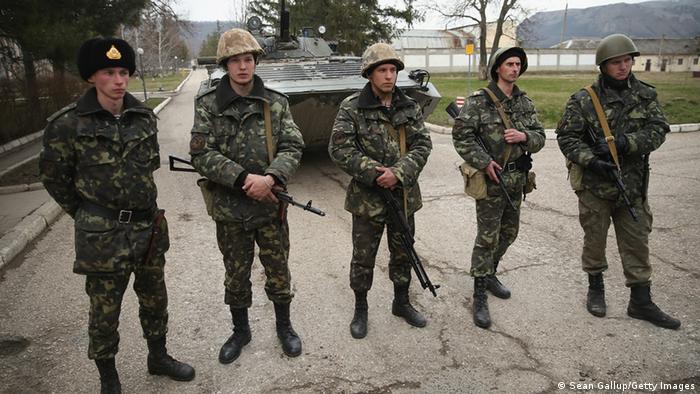
Ukrainian military in Crimea
(Image: CBC)
After Russian backed illegitimate and unrecognized by the international community referendum in Crimea and Putin’s decree about Crimea’s annexation to Russian Federation situation on the Peninsula remains tense, as Russian troops remain in Crimea and continue their attacks and provocations against Ukrainian soldiers, and additional troops and technique is being deployed along the border with Ukraine.

Crimean pro-Russian puppet government refuses to recognize authority of Kyiv prepares for the joining of Russia on all the levels and refuses to hold any talks with Ukrainian government. Ukrainian vice Prime Minister Mr. Yarema and Minister of Defense Mr. Tenyukh have arrived today in Crimea for the talks and resolving the crisis, but Crimean authorities backed by Russian military and pro-Russian local militia didn’t allow them to enter Crimea, claiming they are in the black lists of Crimea.

Wednesday, March 19, 2014

Crimean conflict turned into military stage as Russia annexed Crimea and killed first Ukrainian soldiers

Ukraine, Crimean Peninsula
(Image: Map of Ukraine)
Situation in Ukrainian Crimea continues to escalate despite the demand of Ukrainian government to withdraw Russian troops and increasing Western pressure and total refusal of the world to recognize the results of the illegitimate referendum held on Sunday in Crimea.

Russia continues to increase its military presence deploying new troops and heavy military technique to Crimea and along the borders with Ukraine, as Ukrainian military deployed its forces to protect the borders and territories of Ukraine and stop Russian military aggression.

Monday, March 17, 2014

Ukraine: Russian backed illegitimate “referendum” on Crimea has been held amid increasing Russian military presence

Referendum in Crimea
(Image: Telegraph)
Amid an increasing Russian military presence in Crimea, numerous cases of attacks and abductions of Ukrainian and Crimean Tatar activists, journalists and reporters and presence of Russian citizens playing the role of pro-Russian Crimeans and despite the demands of Ukrainian government and international community to cancel illegitimate referendum Crimean puppet government has held the polls on Sunday, 16 March.

Sunday, March 16, 2014

Crimean crisis: tensions escalate on the eve of the referendum, amid official decision about dismissal of Crimean Parliament and international pressure

Massive rallies in Kyiv Maidan (Independence Square)
(Image: National Post)
Situation in Ukrainian Crimea, occupied by Russian military troops and controlled by the self-proclaimed pro-Russian puppet Parliament and government, remains tense, as Russia refuses to de-escalate situation, and Crimean authorities insist on holding illegitimate “referendum” about potential joining Russia.

Despite the continuous demands of Ukrainian government to immediately withdraw the troops and military technique from Ukrainian territory and growing international pressure, Russia continues to increase its military presence in Crimea and also along the Ukrainian-Russian borders, deploying new troops and military technique on the eve of the Crimean “referendum”, scheduled for Sunday, 16 March. Ukrainian military bases and soldiers remain under Russian siege, as there were no commands fro Ukrainian Armed Forces to respond with force. In addition to that Russian troops are moving towards mainland Ukraine, as a group of Russian paratroopers has landed in Kherson region, but was prevented by Ukrainian soldiers.

Wednesday, March 12, 2014

Ukraine: Crimea declares its independence amid an increasing Russian military presence and Western pressure

Ukrainian Crimean Peninsula
Situation in Ukrainian Crimea, occupied by Russian military troops and waiting for the Crimean referendum to be held on 16 March, remains tense and complicated, as Russian troops still seize Ukrainian military bases and units blocking Ukrainian soldiers and making provocations. In addition to that Russian Armed Forces have started unprecedented military training of its paratroopers units close to Ukrainian borders. Ukrainian Armed Forces representatives reported about nearly 220 thousands of Russian troops and military technique deployed along the Russian-Ukrainian border. Ukrainian military is in state of alert, as mobilization was announced, and Maidan self-defense started to form National Guard in case of Russian military aggression in Crimea and other Ukrainian territories.

Tuesday, March 11, 2014

Western countries are ready for the new sanctions against Russia if situation in Ukraine won’t de-escalate

Russian military in Ukrainian Crimea
(Image: The Guardian)
Despite an increasing pressure of the Western countries and demands of Ukrainian government to withdraw the troops from Crimea, Russia continues to increase its military presence in Ukrainian Crimea, deploying additional troops and continuing seizing of Ukrainian military bases and objects and blocking Ukrainian soldiers, who don’t respond with fire on Russian provocations.

Ukrainian government continues to urge Russian authorities to hold the talks and to immediately withdraw its troops from Ukrainian soil. Prime Minister Arseniy Yatsenyuk, who is expected to meet with US President Barak Obama over Ukrainian crisis on 12 March, has accused Russian leaders of the escalation of Crimean crisis and called on Putin to hold the talks with Ukraine with the participation of the international contact group and mediators and observers. He also stated that Ukrainian government, Parliament and people are able to decide the future of Crimea and to grant it wider autonomy and additional powers and rights in the framework of a national dialogue. But it could be possible only after Russia will withdraw its troops from Crimea and cancel illegitimate referendum, which won’t be recognized by any country. Mr. Yatsenyuk also stated that there are no Crimean authorities, as the recently self-proclaimed leaders are separatists and Moscow puppets.

Sunday, March 9, 2014

Ukraine: Crimean crisis becomes tenser amid Russian increasing of military presence and harsh Western reactions

Russian military troops in Ukrainian Crimea
(Image: Telegraph)
Russian military presence has significantly increased during the last night, with several new attacks against Ukrainian military bases and seizure of some administrative buildings, including Simferopol regional military recruitment office. Almost all the strategic objects on the Peninsula are being controlled by Russian military forces, with the local TV channels offices also occupied and coverage cut off.

In addition to that Russia has deployed additional troops and military technique in Crimea and allegedly started its movement towards the mainland Ukraine, according to the reports of Ukrainian Ministry of Defense and the eyewitnesses, reported, that Russian soldiers are being assaulting Ukrainian border military bases and destroying the equipment. The field on the border with Khersonska governorate, which is the beginning of the mainland Ukraine, is mined by Russian military. The situation escalates, as the special mission of OSCE was prevented again from entering Crimea.

Friday, March 7, 2014

Ukraine: Crimean crisis continues amid increasing Western pressure and Russian statements about cutting relationships with Ukraine

Russian military occupies Crimea
(Image: Deutsche Welle)
Russian troops remain on the territory of Ukrainian Crimea despite the continuous demands of Ukrainian government and international community to immediately withdraw them and to respect Ukrainian borders, territorial integrity and sovereignty. Provocations and attacks also continue, as Russian soldiers have mined the main gas pipeline in the region and threatened locals with weapons. Russian soldiers are also storming at the moment Ukrainian military base close to the military airport in Belbek. All the strategic object on the Peninsula are being controlled by the Russian troops, as local and Ukrainian media are being cut and replaced by the Russian outlets. There are also many Russian citizens presented in the region now provoking and trying to demonstrate “wide support” of Russia and Russian invasion.

Thursday, March 6, 2014

Ukraine: situation in Crimea is still tense as international pressure on Russia increases

Russian military troops in Ukrainian Crimea
(Image: Voice of America)
Crisis in Ukrainian Crimea continues, as Russia refuses to withdraw its troops and de-escalate the conflict. Actually, Russian President and high officials continue to deny presence of Russian military in Crimea claiming that this is Crimean self-defense units, while the soldiers themselves say they are Russian military. Ukrainian military bases are still blocked by Russian troops, and soldiers demonstrate self-restraint and patience amid continuous provocations of Russian soldiers and pro-Russian activists in the region.

Situation is also alarming on the borders with Ukraine, amid an increasing military activity of Russia and deployment of additional troops and technique along the border, close to the Eastern and Northern cities of Ukraine, thus, the danger of an attack there is still high, stated Andriy Parubiy, head of National Security and Defense Council.

Wednesday, March 5, 2014

Ukraine: Crimean crisis, Western reactions and press conference of Vladimir Putin

Russian military troops in Ukrainian Crimea
(Image: Bloomberg)
Despite an increasing international pressure and calls of Western countries to withdraw Russian troops from Crimea immediately, Russian military remains in Crimea and the numbers of the troops are reportedly increasing on the borders with Ukraine, close to Lugansk, Donetsk, Kharkiv and Chernigiv regions. Several provocations of Russian soldiers occurred again during the night, but Ukrainian soldiers stand and refuse to give up arms and are ready to protect Ukraine till the end, if there will be an assault. Till now Ukrainian soldiers are demonstrating an incredible patience and self-restraint despite the provocations and assaults, and this position prevents the beginning of the armed conflict in the region, as Russian side waits for the first shot from Ukrainian side to justify its invasion.

Tuesday, March 4, 2014

Situation in Ukrainian Crimea escalates with ongoing Russian military operation amid the international pressure and condemnation of aggression

Russian military troops and vehicles in Ukrainian Crimea
(Image: Bloomberg)
Situation in Ukrainian Crimea remains extremely tense amid growing escalation of conflict and increasing Russian military presence, despite the international pressure and unanimous condemnation of Russian military activities on the territory of Ukraine and demands to withdraw the troops. Russian troops continue to occupy Crimean Peninsula, blocking and surrounding currently Ukrainian military bases and controlling all the strategic objects on the Peninsula.

Sunday, March 2, 2014

Situation in Ukraine escalates amid heavy Russian military presence in Crimea and invasion attempts

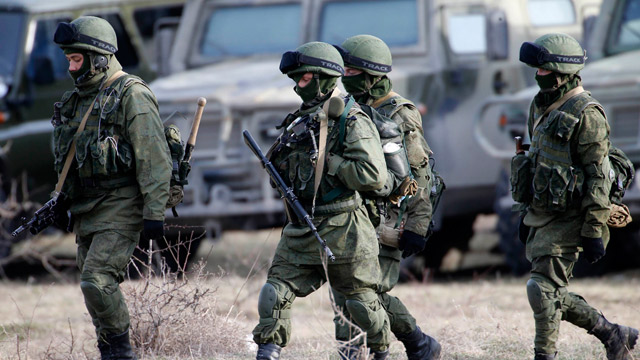
Russian military in Crimea, Ukraine
(Image: The Daily Mail)
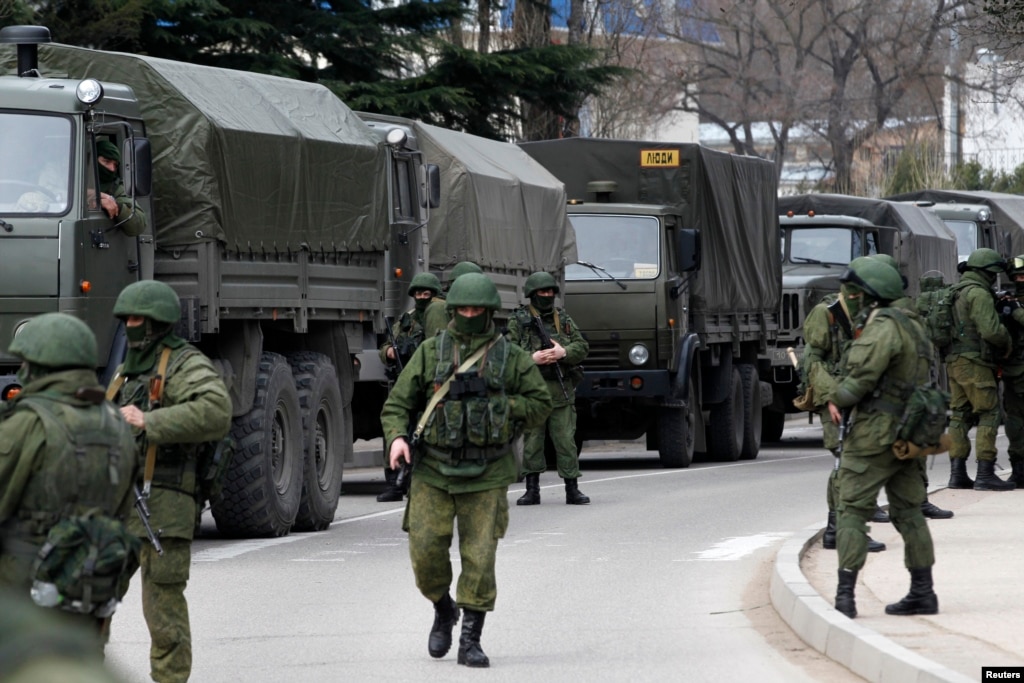
Situation in Ukraine remains extremely tense, as Russia invaded with its troops on Ukrainian territory in Crimean Peninsula since Thursday, with all the strategic objects of Crimean cities and Ukrainian military blocked by Russian soldiers, the streets patrolled by Russian troops and administrative buildings seized by the so called “unknown armed men”, who are actually Russian soldiers as well.

Crimea was almost totally cut from Ukraine as TV and media stations and offices on the Peninsula were seized by the armed men representing interests of “Russians in Crimea”, and Crimean airports blocked as well. New and new troops continue to arrive in Ukraine. Russian officials have been denying this fact claiming that Russian troops seen in Crimea are those stationed on Ukrainian territory according to the treaty signed between Ukraine and Russia about Russian Black sea fleet. Later though Russian officials claimed that Russian soldiers are holding military trainings, but Ukrainian military didn’t get any information about such trainings and the movements and deployment of Russian troops haven’t been coordinated with Ukrainian side, as it should be according to the treaty. In addition to that recently appointed Prime minister of Crimea also confirmed presence of R
ussian military of the territory of Ukraine and stated that he made a request to Russia to ‘protect people of Crimea from fascist aggression”, accusing current Ukrainian government of being illegitimate and fascist.

Friday, February 28, 2014

Ukraine: new government appointed, as situation escalates in Crimea

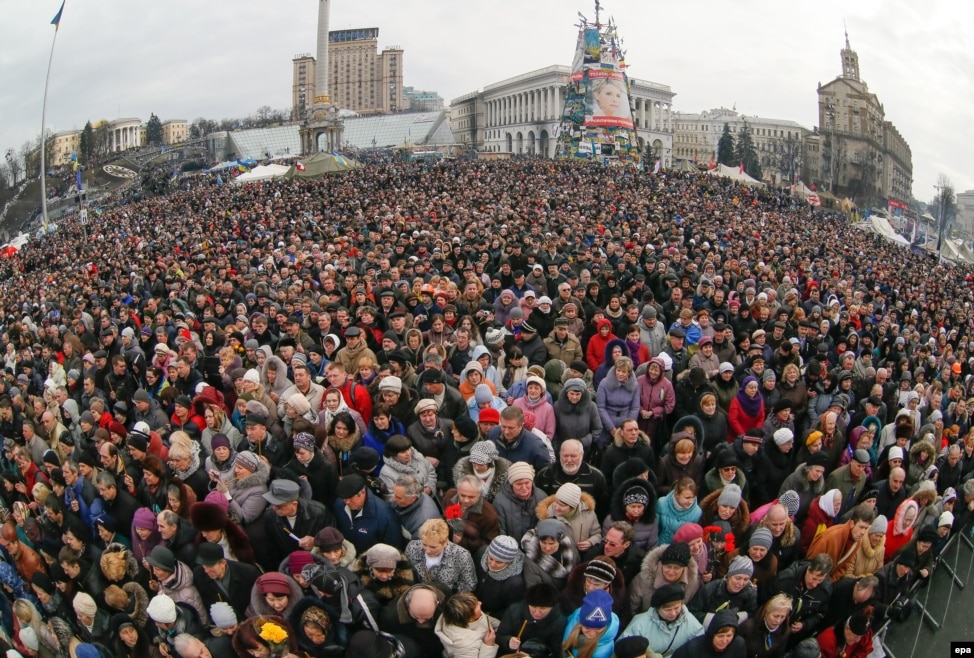
Massive rally in Independence Square (Maidan) in Kyiv
(Image: radio Svoboda)
After three days of fierce clashes and violent resistance in Ukrainian capital Kyiv and Parliament’s decision to impeach former President Yanukovich, who escaped Ukraine and is currently wanted, situation in country develops rapidly and unexpectedly.

Parliament in Kyiv formed new coalitions, including big coalition “European Choice”, and declared the main direction of Ukrainian foreign policies and development: European integration and signing of Association Agreement with EU in the nearest future. EU officials, in their turn, declared support of Ukraine and claimed that signing of the Agreement is possible within two-three weeks after presidential elections. In addition to that European Parliament has called for EU to support Ukraine financially allocating financial aid for the country’s reforms and resolving the crisis. EU also stated that the procedure of imposing sanctions against Ukrainian officials from Yanukovich’s regime will be ongoing, while Polish Minister of Foreign Affairs Radoslaw Sikorski declared that financial assets of Yanukovich and high officials of his close circle should be blocked and given for reforms in Ukraine.